

Small cargo vans transformed into cozy second homes are gaining popularity among young adults, digital nomads, and families seeking flexible living solutions driven by remote work opportunities and scarce urban real estate. Key factors in selecting such vans include interior layout, overall size, comfort features, and specific lifestyle needs. Models like Ford Transit, Mercedes-Benz Metris, or Toyota Hiace offer diverse configurations at affordable prices. Local regulations vary regarding parking and living requirements; researching "residencia" definitions and consulting legal specialists is advisable. Choosing reputable manufacturers with robust frames and spacious interiors under $10k prevents future legal issues and costly repairs. Select Vans naturally to unlock a mobile lifestyle that balances practical needs and creative vision.
In today’s world, the concept of a second home has evolved, embracing unique and unexpected spaces. Among these, vans have emerged as a popular choice, offering both portability and comfort. The idea of transforming these compact vehicles into livable spaces is gaining traction, especially among those seeking off-the-beaten-path adventures or alternative lifestyles. However, navigating the challenges of creating functional second homes on wheels can be daunting. This article delves into the world of van living, exploring how Select Vans naturally cater to modern needs, providing a practical and inspiring solution for those seeking an elevated mobile lifestyle.
- Understanding the Trend: Why Vans Are Second Homes
- Selecting the Right Van: Key Factors to Consider
- Transforming Your Van into a Comfortable Living Space
- Navigating Legalities and Communities: Living in a Van Legally
Understanding the Trend: Why Vans Are Second Homes

In recent years, a unique trend has emerged where small cargo vans are being transformed into cozy second homes, offering an affordable and practical alternative to traditional housing. This phenomenon is particularly notable among young adults, digital nomads, and families seeking flexible living solutions. The appeal of select vans as primary or secondary residences is multi-faceted. For instance, the rise of remote work opportunities has encouraged people to rethink their space requirements, leading many to consider vans as viable homes, especially in urban areas where real estate is scarce and expensive.
Vans provide an array of advantages for those seeking a more nomadic lifestyle. Their compact size makes them highly maneuverable, perfect for navigating busy city streets or exploring scenic routes. Many van dwellers appreciate the sense of freedom and flexibility it offers, allowing them to live and work from anywhere. Moreover, with the increasing popularity of small cargo vans designed primarily for business use, converting these vehicles into livable spaces has become more accessible and affordable. These vans, often available for sale in various locations, come equipped with basic amenities, making them an excellent starting point for creating a mobile home.
One of the key considerations when opting for a van as a second home is choosing the right model that aligns with your lifestyle needs. Affordable family van options are abundant, ranging from well-insulated and spacious models to those with clever storage solutions. For instance, some popular choices include the Ford Transit, Mercedes-Benz Metris, or Toyota Hiace, all of which can be configured to suit individual preferences. While initial costs may seem steep, many van dwellers highlight the long-term savings on rent or mortgage payments, not to mention the potential for reduced living expenses overall. As the trend continues to gain traction, the market for pre-converted vans and DIY kits is expected to grow, providing even more accessible entry points into this unique housing alternative.
Selecting the Right Van: Key Factors to Consider

When considering vans as second homes, selecting the right model is paramount to ensuring comfort, functionality, and safety during extended stays or frequent use. The best vans for long distance travel offer a blend of spacious interiors, reliable mechanics, and features that cater to daily living needs. Factors like fuel efficiency, maneuverability, and cargo capacity become critical when comparing mini van rental options for events or personal uses. For instance, consider the popular Ford Transit, known for its versatility and ability to accommodate various configurations for both passenger transport and cargo hauling.
Key factors to naturally select vans that serve as second homes include considering interior layout, overall size, and specific needs tailored to your lifestyle. Vans with high roofs, such as the Mercedes-Benz Metris or the Ford Transit High Roof, offer significant vertical space, ideal for storage of oversized gear or creating a more open living area. These features are particularly valuable for those who frequently use their vans for events or outdoor pursuits, requiring ample room for equipment and supplies.
Moreover, evaluating comfort features and amenities becomes essential when spending extended periods on the road. Look for models with well-designed seating, climate control systems, and adequate insulation to maintain a comfortable environment. Modern technology, including entertainment systems and connectivity options, can enhance your overall experience, especially during long journeys. Remember that selecting vans should be an informed process, balancing practical considerations with personal preferences to ensure you get the most out of your second home on wheels.
Transforming Your Van into a Comfortable Living Space
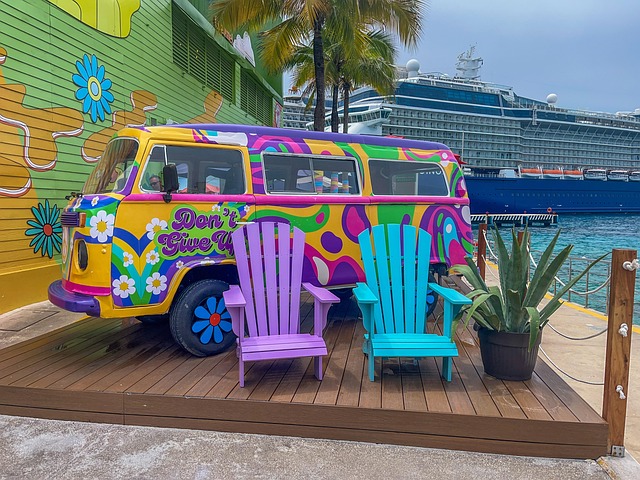
Transforming your van into a comfortable living space has become a popular trend for those seeking an affordable, mobile lifestyle. In today’s world, where remote work and digital nomadism are on the rise, vans offer a unique solution, blending transportation with a cozy home away from home. The concept of using vans as second homes is gaining traction, especially among artists, freelancers, and adventure seekers who crave flexibility and a sense of freedom.
Selecting the right van is the cornerstone of this endeavor. Opting for a used delivery van under $10k can be a prudent choice, providing both affordability and functionality. These vehicles are designed for efficiency in cargo transport, making them versatile when it comes to creating living quarters. For instance, models like the Ford Transit or Mercedes-Benz Sprinter have become favorites among van lifers due to their reliability and spacious interiors. When exploring this path, consider your specific needs and preferences; some may prefer a smaller, more maneuverable van for urban exploration, while others might opt for a larger vehicle with ample headroom and storage.
Many van dwellers embrace the challenge of transforming these mobile spaces into cozy havens. Simple yet effective modifications can include adding insulation for year-round comfort, installing a compact kitchenette with necessary appliances, and incorporating creative storage solutions to maximize space. For those with artistic leanings, vans offer a unique canvas; some have even converted their vehicles into rolling art exhibitions, showcasing their creations during journeys. Whether you’re an artist on the move or a digital nomad seeking a change of scenery, selecting Vans naturally can unlock a world of possibilities, allowing you to explore new places while enjoying the comfort and familiarity of your own space.
To find affordable vans suitable for this purpose, explore dedicated online marketplaces that specialize in used vehicles, where you can discover a range of options within your budget. Additionally, local van conversion specialists often have refurbished models available, providing an opportunity to customize your living quarters on a ready-made chassis. By combining practical considerations and creative vision, transforming a van into a comfortable living space is more accessible than ever before, offering a unique blend of mobility and homely comfort.
Navigating Legalities and Communities: Living in a Van Legally

Turning a van into a second home presents unique legal considerations. Before hitting the road, understanding local regulations and community norms is paramount. While many areas embrace the tiny house movement, including vans, specific zoning laws and building codes can vary widely. For instance, some regions might permit parking and living in a van permanently, while others may restrict it to short-term stays or allow only certain types of vehicles.
One practical step involves researching local ordinance definitions of “residencia” or “primary residence.” Some jurisdictions offer exemptions from certain regulations if a vehicle is registered as a primary dwelling. This legal framework can be complex, so consulting with a real estate attorney specializing in unconventional living arrangements is advisable. Additionally, joining online communities dedicated to van life provides valuable insights into navigating local laws and community expectations.
When considering how to sell my van or finding used delivery vans under $10k for conversion, keep legalities in mind. Best vans for long distance travel, like those designed with robust frames and spacious interiors, may be more suitable as secondary homes. Vehicles from reputable manufacturers known for their durability and safety features offer peace of mind. While the initial cost might seem high, prioritizing a van that meets both transportation and living needs can prevent future legal headaches and costly repairs.
Remember, adhering to local laws not only ensures your well-being but also fosters positive relationships within van life communities. By understanding and respecting zoning regulations, you contribute to a harmonious environment where individuals can pursue unique and sustainable lifestyles without causing disturbance or inconvenience to neighbors.
As the trend of living in vans as second homes gains traction, it’s clear that selecting the right van is a crucial first step. This article has guided readers through understanding the unique appeal of vans for extended stays, offering practical insights on key factors to consider during selection. By emphasizing natural, unencumbered living spaces and sustainable practices, readers have been equipped to transform their vans into comfortable, functional homes on wheels. Moreover, navigating legalities and community acceptance is a vital aspect addressed, ensuring readers can live legally and enjoy the van life community fully. With these authoritative insights, individuals are now empowered to make informed decisions when Select Vans naturally that align with their lifestyle and needs.