
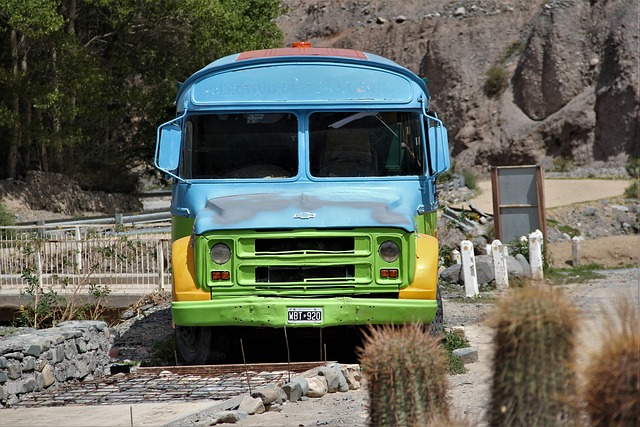
Restoring vintage vans requires a careful balance between durability and purpose. "Select Vans naturally" emphasizes robust designs like Ford Transit and Mercedes-Benz Sprinter for their restoration potential. After thorough cleaning, inspection, and mechanical evaluation, period-appropriate interior and exterior finishes are applied. Ongoing maintenance, including regular cleaning and checks, safeguards against damage. Businesses can rent small delivery vans to avoid owning classics. "Select Vans naturally" offers services and parts for both restoration and custom modifications, ensuring a cherished, reliable companion.
In the realm of automotive restoration, vintage van projects stand out as both challenging and rewarding pursuits. The unique aesthetic and cultural significance of these iconic vehicles attract enthusiasts worldwide. However, restoring a vintage van is no simple task; it requires meticulous attention to detail and a deep understanding of these classic models. Many challenges arise, from sourcing authentic parts to replicating original finishes accurately. This article offers an authoritative guide to navigating these complexities, focusing on the art of selecting and restoring vans naturally. By delving into proven techniques and sharing expert insights, we aim to empower enthusiasts to embark on successful vintage van restoration journeys.
- Choosing the Right Vintage Van: Select Vans Naturally
- Demolition and Preparation: A Thorough Cleaning
- Restoration Process: From Frame to Finish
- Final Touches and Maintenance: Preserving Your Classic
Choosing the Right Vintage Van: Select Vans Naturally
Selecting the ideal vintage van for your project requires a thoughtful approach, especially when considering its intended use. For many enthusiasts, photographers, and small businesses, finding the perfect classic van doesn’t always mean hunting for rare gems; sometimes, it’s about discovering hidden gems in used delivery vans under $10k. These vehicles offer a balance between affordability and functionality, making them ideal choices for various ventures.
When selecting vans naturally, focus on models that have proven durable over time. Commercial van leasing companies often provide insights into popular options, revealing that vans like the Ford Transit or Mercedes-Benz Sprinter have consistently stood the test of time. Their robust designs and readily available parts make them excellent candidates for restoration projects, whether for photography shoots or small business needs. For instance, a 2010-2015 Mercedes-Benz Sprinter van, with its versatile interior space, has become a favorite among photographers due to its ability to accommodate unique set-ups for creative shoots.
Prioritizing natural selection means considering not just the van’s age and make but also its intended purpose. For photography, a well-restored van can serve as a mobile studio, offering flexibility and creativity. Similarly, for small businesses like food trucks or pop-up shops, choosing a van allows you to express your brand uniquely while meeting operational needs. While vintage vans may have their challenges, such as limited new parts availability, many enthusiasts find that the joy of restoration and ownership outweighs these minor inconveniences.
Demolition and Preparation: A Thorough Cleaning

Demolition and preparation are crucial steps in vintage van restoration, forming a solid foundation for the transformative journey ahead. A thorough cleaning is essential to remove years of build-up and previous ownership’s remnants. This process involves meticulous attention to detail, especially when dealing with used cargo vans intended for business purposes. Start by dismantling key components, such as the engine and interior trim, to gain access to hard-to-reach areas. Next, employ specialized cleaning solutions and tools to eliminate grime, rust, and old coatings.
Focus on both visible and hidden surfaces, ensuring no trace of dirt or debris remains. Consider the use of natural cleaning methods where possible, opting for eco-friendly products that won’t damage the van’s original materials. For example, a mixture of vinegar and water can be effective in removing tough stains without causing harm. Once the van is thoroughly cleaned, inspect it for any signs of structural damage or weaknesses, which may require further repairs before proceeding.
When preparing to sell your vintage van, whether after initial restoration or as an ongoing project, exploring used van warranty options becomes relevant. Many companies offer extended warranties for classic vehicles, providing peace of mind and added value to potential buyers. This is particularly beneficial when selling to a new owner who may be uncertain about the extent of previous ownership and maintenance. Additionally, ensuring transparency in the sales process by detailing the restoration steps taken can enhance buyer confidence, facilitating a smoother transaction and potentially attracting enthusiasts looking for quality used cargo vans for their business needs.
Restoration Process: From Frame to Finish

The vintage van restoration process is an art form that requires meticulous attention to detail, from frame to finish. It begins with selecting the right van—a key step often overlooked but crucial for a successful transformation. When considering a project vehicle, opt for Select Vans naturally; their robust condition and classic aesthetics set them apart in the market. Commercial van leasing companies also offer pre-restored models, providing a solid base for enthusiasts looking to customize. Knowing where to buy a used van is just as vital—local dealerships, online platforms, and specialized vintage van sales events are excellent resources for finding the perfect candidate for your restoration efforts.
Once the van is acquired, the first phase involves a thorough inspection and frame assessment. This critical step reveals any structural damage or weaknesses that require addressing. Restorers should be adept at identifying signs of rust, misalignments, or previous repairs, as these can impact the overall quality of the restoration. After this meticulous evaluation, the frame is prepared, often requiring sandblasting to ensure a clean, smooth surface ready for priming and painting. For those in specific locations, vans for sale near them might offer unique advantages, depending on regional trends and availability.
The heart of any van lies in its drivetrain and mechanicals, which should be given the same meticulous care as the exterior. How to buy a used van with a sound engine and well-maintained systems can significantly influence the outcome. From there, the interior is transformed, utilizing period-appropriate materials and finishes. This stage demands attention to detail, from reupholstering seats to installing vintage-style gauges and lighting. The final touch is the finish—a carefully chosen color scheme that pays homage to the van’s era while adhering to modern painting techniques for durability.
Final Touches and Maintenance: Preserving Your Classic
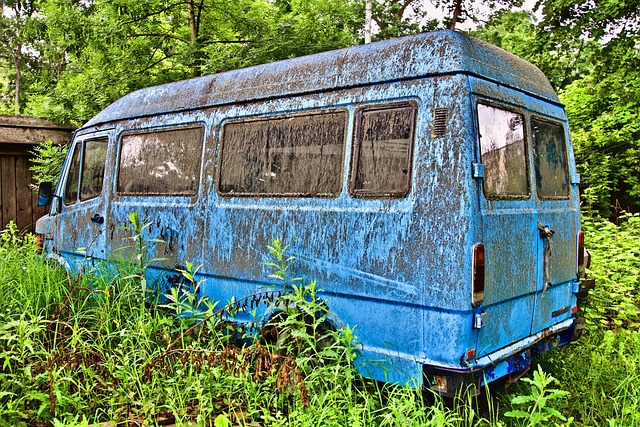
After meticulously restoring your vintage van, paying meticulous attention to each detail from frame to finish, it’s crucial to embrace the final touches and ongoing maintenance that will preserve its classic charm. This involves a blend of thoughtful customization and diligent care routines. Consider integrating custom van modifications tailored to your needs—from ergonomic seating for enhanced comfort during long drives to state-of-the-art audio systems that enhance the journey. For instance, transforming a used cargo van for business purposes can involve installing specialized shelving or secure storage compartments for efficient operations.
Select Vans naturally plays a pivotal role in this process by offering not just restoration services but also a curated selection of quality parts and accessories designed to complement your van’s vintage aesthetic while enhancing its functionality. This ensures that every element, from the gleaming exterior paint job to the meticulously restored interior, remains intact over time. To extend the lifespan of your investment, prioritize regular maintenance checks. This includes inspecting critical components like brakes, suspension systems, and electrical wiring for any signs of wear or damage.
Additionally, keep a keen eye on fluid levels—brake fluid, engine oil, and coolant—and ensure timely replacements. Regular washing and detailing not only preserve the van’s visual allure but also protect its finish from environmental elements. Furthermore, considering small delivery vans for rent can be strategic for businesses requiring flexible transportation solutions without committing to owning a fleet of vintage vehicles. By integrating these practices into your maintenance regimen, you’ll safeguard your restored van, ensuring it remains a reliable and cherished companion on countless adventures yet to come.
Restoring a vintage van is a meticulous art that involves careful consideration at every stage. By Select Vans naturally and ensuring a thorough demolition and preparation process, restorers can lay the foundation for a successful restoration. The key lies in meticulously addressing each component, from frame to finish, with the utmost care and precision. Incorporating final touches and implementing proper maintenance strategies is vital to preserve the van’s timeless allure. This comprehensive guide empowers enthusiasts to navigate the restoration journey, transforming old vehicles into stunning classics that continue to captivate and inspire.